


Tools & Resources
-

MDRO Prevention in Long Term Care
Infection prevention in long-term care must reflect the unique setting where residents live and receive care. Key priorities include proper skin care and reducing multidrug-resistant organisms (MDROs). This toolkit equips healthcare professionals and direct-care staff with essential knowledge, resources, and strategies to meet these challenges.
-

Toolkits for MRSA Prevention
The AHRQ Safety Program for MRSA Prevention was a 5-year national initiative to improve MRSA prevention in hospitals, surgical services, and long-term care facilities. Working with clinicians, staff, and researchers, the program built sustainable strategies to reduce MRSA. The toolkits—developed from evidence and frontline experience—equip staff and leadership to strengthen infection prevention and lower MRSA rates.
-
Antimicrobial Stewardship
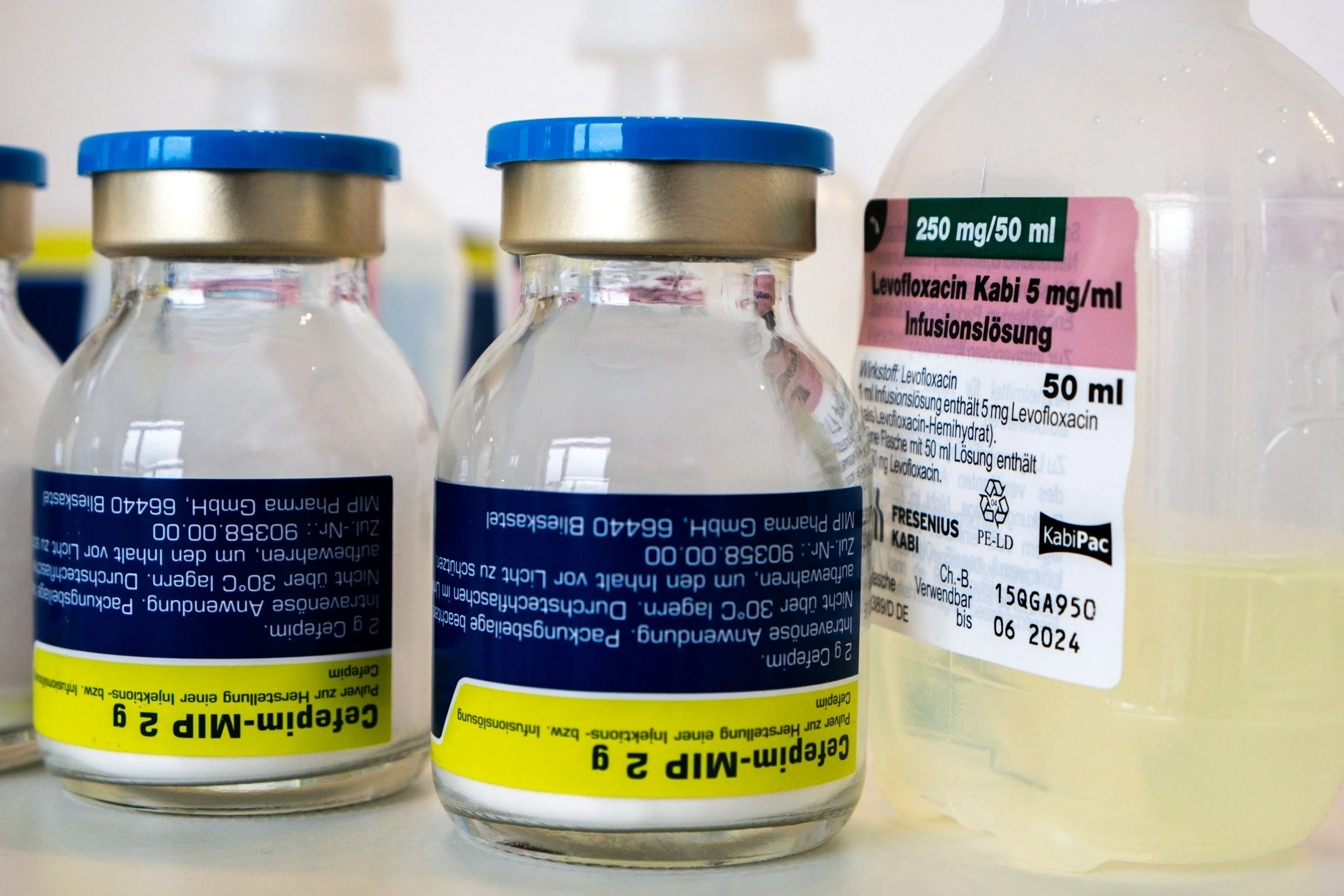
AHRQ’s antibiotic stewardship toolkits, shaped by clinical teams in the Safety Program for Improving Antibiotic Use, help hospitals, long-term care facilities, and ambulatory practices apply the Four Moments of Antibiotic Decision Making. These setting-specific resources strengthen stewardship programs, engage staff in better prescribing, and support accurate diagnosis and treatment of common infections.
-
Fall Prevention
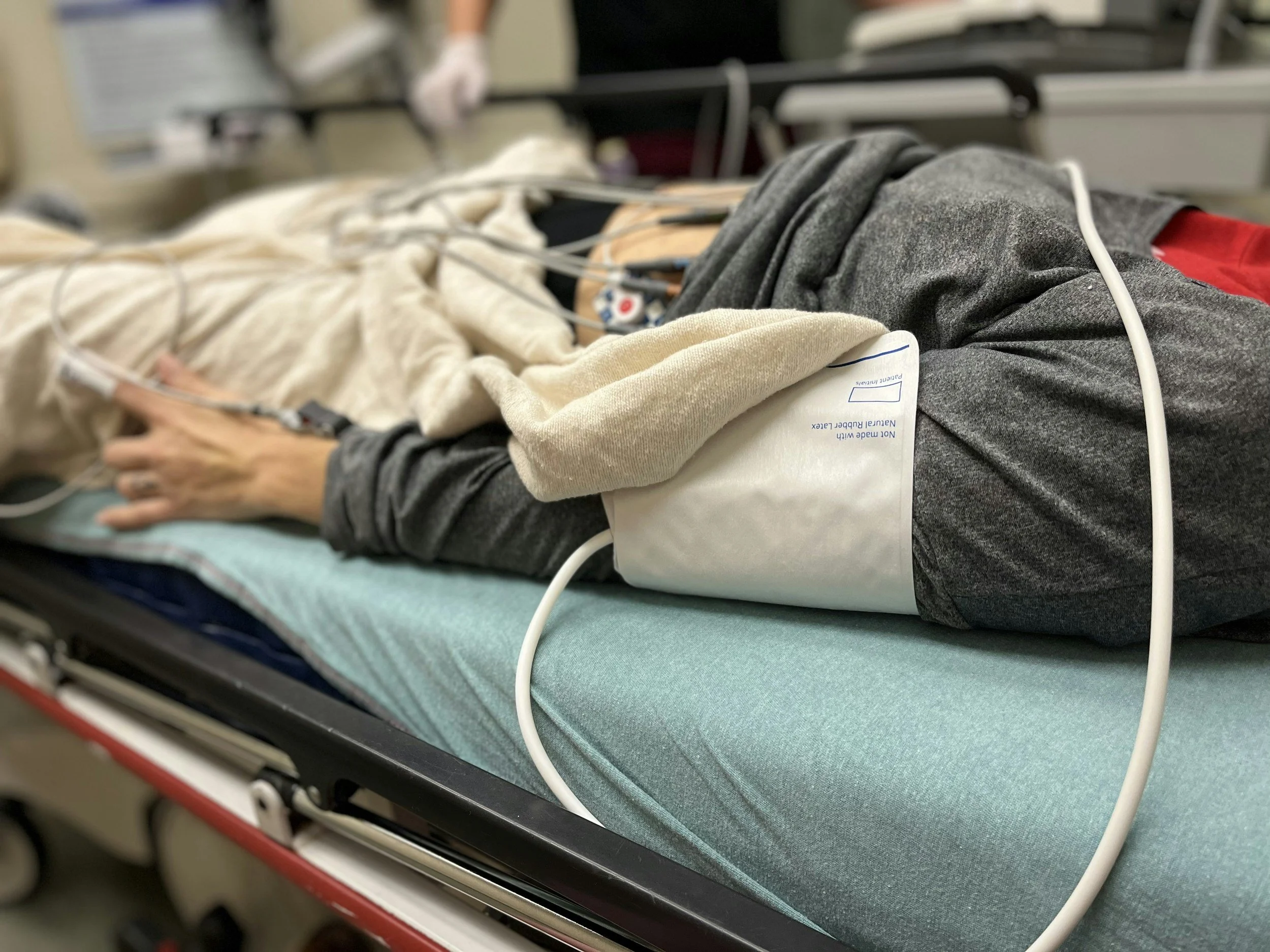
Falls are the leading cause of preventable injury, and hospitalization increases risk due to illness, unfamiliar surroundings, medications, and reduced activity. Even independent patients may need help with basic tasks. This AHRQ-funded research (P30HS023535) aimed to engage patients, families, and providers in reducing hospital falls through a three-step process: assess risk, create a personalized plan, and carry it out consistently.
-

Medications for Opioid Use Disorder Playbook
The Playbook supports primary care teams in treating opioid use disorder (OUD) across diverse settings—from small practices and community health clinics to larger health systems. Whether providing medication-only treatment or comprehensive care, it offers a flexible framework with information, tools, and resources to expand access and strengthen OUD treatment in primary care.
-
Falls Management Program: A QI Intitiative for Nursing Facilities
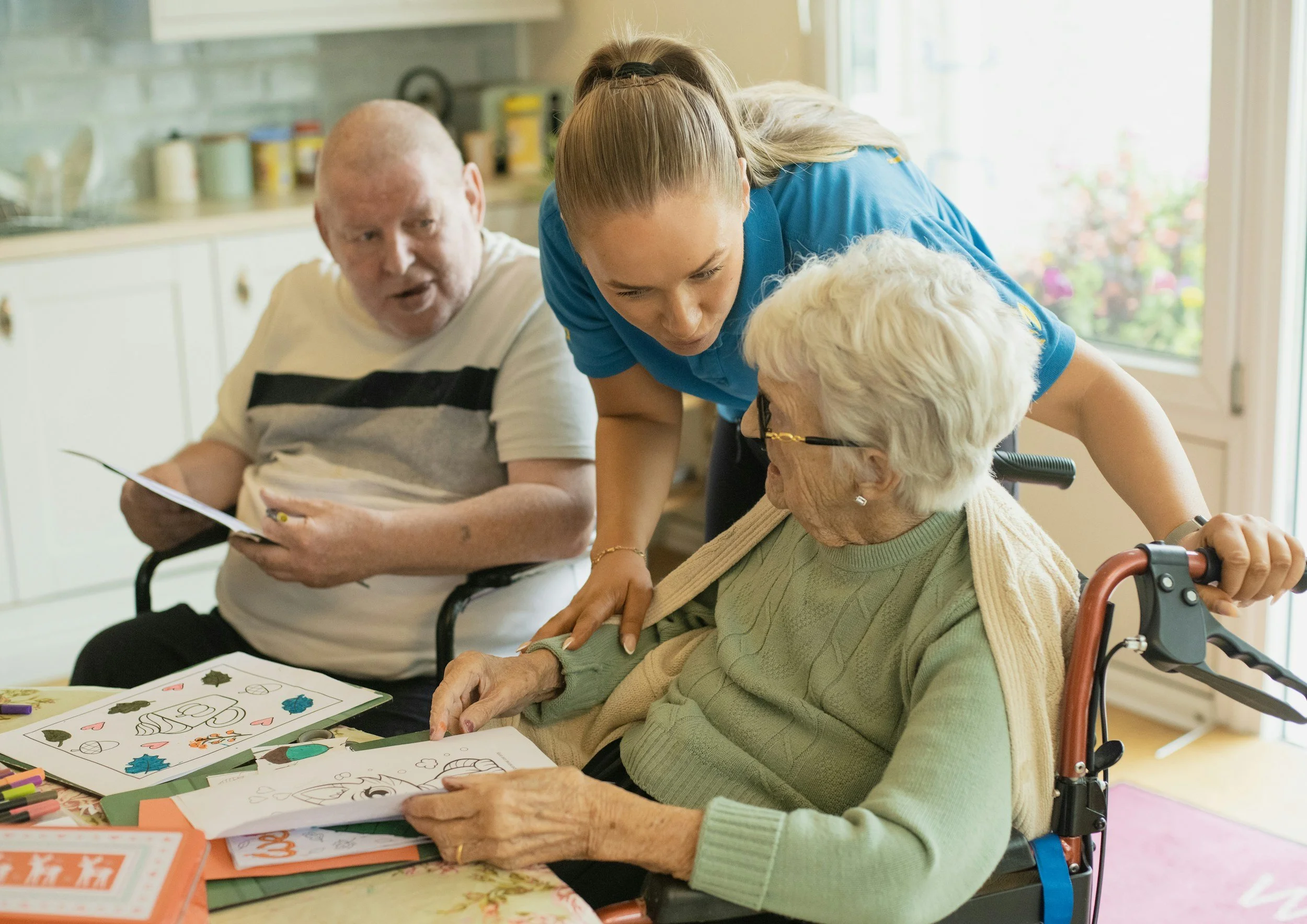
The Falls Management Program outlined in this manual is an interdisciplinary quality improvement initiative designed to support nursing facilities in delivering individualized, person-centered care. Through evidence-based education and structured improvement tools, the program enhances fall prevention processes and strengthens outcomes across care settings.